Rafting on the Naranjo River

Saturday


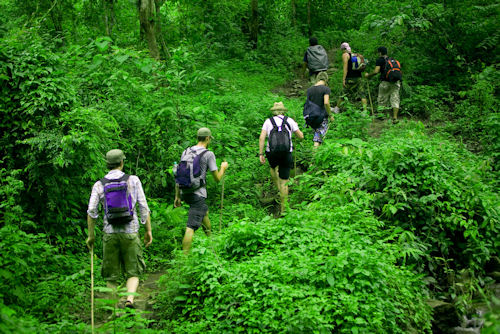
Whitewater rafting at the Naranjo River in Manuel Antonio National Park will definitely thrill the nerves of those who try it. Not just that, as you traverse along the rapids of the river, you’ll also get the chance to enjoy the beauty of nature with a scenic backdrop.

Usually, trip adventure packages are a half-day activity starting from a steep drop from Costa Rican Mountains above Quepos, all through jungle gorges. After a nature-trip ride through the jungle, next is a nerve-breaking one as you wind around rocks and then will take you back to sea level waters. 

The Naranjo River runs not only through jungle and mountains, but also through farmlands and plantations. See, here you’ll not just enjoy the wonders of Costa Rican water bodies but the landscapes as well. The combination of whitewater rapids, the sky and canton walls that meet the water is perfect for a day.


Who are allowed to ‘paddle’ in Naranjo?

Well in fact, not everyone will be allowed to take his trip on the Naranjo River. First and foremost, no pregnant women are allowed to step on the boat, and even those with physical health problems that can be triggered by rush. Whitewater rafting is highly recommended for experienced and trained rafters who are used with Class III and IV rapids. While it is perfect for trained paddlers, first timers who are ready for such a challenge are also welcomed.  Some tour packages have their age limit set on children at least 8 years old. There’s nothing to worry about safety because bilingual and professional kayakers will accompany you throughout the tour.

When is the best time to raft? 

Mostly, it is preferred that you go on rafting at Naranjo during the rainy season, from April to December. This is the time when the river boasts its Class IV rapids.

What are the things I must bring?

Since rafting will definitely make you wet, it is recommended that you wear clothes that allows free movement and at the same time, easy to dry. You can wear shorts or long pants depending on your preference. The most suitable footwear is a pair of sandals with a back strap or even sneakers. You must also bring sunscreen lotion, towel, and extra clothes. Lastly, never forget your waterproof camera to capture all the memories.

Image credits: naturespecialist.com

How Can we Save the Rainforest

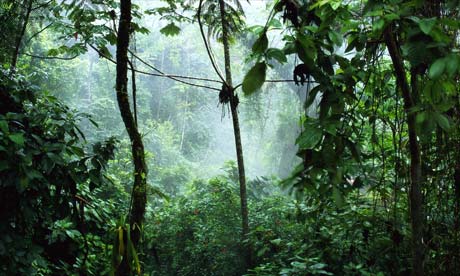
Why is it that we need to save the rainforest? Simply because we are the main culprit that lead it to its pitiful condition in the present. Nothing to worry about, we can still do something about it. Here are some friendly suggestions that when followed by many will definitely create a big difference.


Reduce paper and wood consumption. We all know that paper comes from trees you can help reduce the pressure on our remaining forests by taking simple steps to reduce wood and paper consumption. Avoid disposable paper plates and cup, use both sides of each piece of paper, use cloth napkins and towels, and use your own cloth bags at grocery store.

Always consider when buying paper products, choose products with the highest percentage of recycled content. Choose tree-free paper alternatives if possible. Tree-free paper is made from agricultural products like waste straw, hemp and kenaf.

Reduce oil consumption. Although oil is currently used to drive cars, fly planes, operate factories, and warm our homes, we really don’t have to use oil to run these things. Try to use some alternative resources like the sun and the wind to make energy. Light and heat from the sun can be used to make solar power and windmills to capture the power of the wind. The sun and wind are great resources of energy because they don’t destroy the rainforests or pollute the planet. And it doesn’t mean that we can stand alone without the use of oil. But by reducing the use of oil in our daily lives we can make a big difference to help the rainforest. Instead of using cars everywhere, we can walk or ride our bikes and take local mass transportation whenever possible.

Change your diet. It is important to know that eating a plant-based diet is the best thing you can do for the environment. Vegetables, nuts, fruits and whole grains are the healthiest way to eat. This means that they came from the rainforest without harming the trees, plants, and animals or people that live there. We all need food to survive. And in a positive way, rainforest-friendly choices about what we can eat can help the rainforests survive as well.

Don't buy products made from endangered species of plants or animals. Through simple things we can help to save our environment. Avoid buying products made from endangered species of plants and animals, if you’re not sure about you’re buying, ask the merchant or call an organization like the World Wildlife Fund to find out. Also avoid buying exotic pets from pet store. 

Educate yourself and others. Rainforests are enchanting places that are important to every living thing on Earth. Whether we live in the cities, mountains, country, or deserts, rainforests affects all of us. And through our own hands we can help save our rainforests. Not for the sake of ourselves but also for the animals living in our rainforests.    

Image credits:  guardian.co.uk

Frequently Asked Questions When You Try Zip line

When you’re trying anything for the first time, it is usual for you to have several questions running on your mind. 

Just like trying to ride a zip line that you have never tried before, you might be filled with a lot of questions in mind waiting to be answered. There’s nothing wrong with asking, you’re just exploring the realms that you will encounter and acquainting yourself to the ride. In here, we have listed some of the most asked questions about riding a zip line and ready answers that will most likely help you:


First and foremost, is zip lining safe?

 Before deciding when and where you would like to have your first zip line ride, it is necessary that you will research on the credibility and safety of the zip line. Usually, zip line courses are built to meet certain standards in the industry, and often, even before opening the course to people, the cables are tested to hold maximum weight that it can carry. Check also if the company is an active member of any Zip Line Association to assure the safety of the course. What we’re telling is that, in the end, the real judgment on whether you will be safe or not depends on how well you know the zip line company and how obedient you are to their safety guidelines.

Is it suited for people with fear of heights?

Many people with the same condition have testified that zip lining is a good way to overcome this fear. In fact, they have said that it was not that trembling as they have expected. Anyway, I think there would be no zip line company that will neglect the safety of the tourists. Zip lining is a perfect way to enjoy heights.

What are the health restrictions?

Yes, not everyone is permitted to try zip lining. There are certain health conditions that need doctors’ advice regarding zip lines. Of course pregnant women are not advised to ride a zip line. Other health concerns would be persons suffering from hypertension and other heart conditions, history of seizures, back issues and dizziness. For the safety of everyone, it is better to follow the advice of the professionals.

What attire to wear/ what are the things I should bring?

It is highly suggested to wear closed shoes instead of sandals or slippers and comfortable shirt and pants. The best thing to bring is a camera of course with a strap to capture the experience, and money to tip your guides if you wish to. It is not advisable to bring a lot of baggage for there are zip line sites that do not have storage facilities.

Image credits: princeville.com

See the Beauty of the Butterflies of Costa Rica

Friday

Looking for things to do in Costa Rica?

FACT: Costa Rica is indeed a butterfly haven in itself.

                                        
About 90% of the total butterflies in Central America are found in Costa Rica. It is also interesting to note that almost 18% of the total butterfly species in the world is in Costa Rica. Think about that! Isn’t it right to call this country a butterfly garden? A wide range of butterflies is one of Costa Rica attractions you shouldn’t miss.

Another fact: On the average, butterflies do only live for three weeks. Despite this unfortunate fact, we can say that despite their short life span on earth, butterflies serve their purpose mightily even before they die. As pollinators, they serve a very important role for balancing the ecosystem; they are the ones to sip nectar from flowers and cross-pollinate them. They have noticeable antennas used for smelling and balance. Furthermore, their amazing life transformation really captures the interest of many. 

Some butterfly species in Costa Rica:

Blue Morpho Butterfly. Perhaps this specie well represents all the butterflies in the country. This one is the most common and recognizable specie of butterfly in Costa Rica. Easily identified by its bright blue and black wings, the Blue Morpho is also known for its random, casual flight that helps it in escaping predators. It is not poisonous and the underside of the wings is brown in color with eyespots and acts as a camouflage.

Hecale Longwing Butterfly. This butterfly is identifiable by its black wide, slender wings accented with white spots on the marginal part and reddish-orange ones nearer the body. The bright colors of this butterfly warn everyone that this specie is poisonous.


Florida White Butterfly. This butterfly is snowy white in appearance, also characterized by its bouncy movements when flying. It also has a small orange spot near the base of the wing.

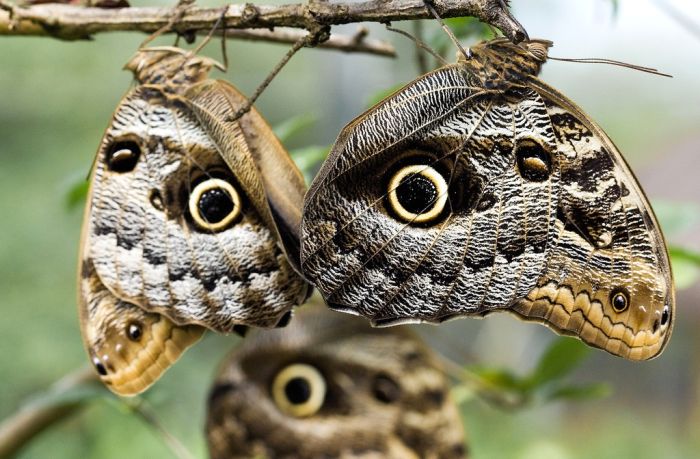
Owl Butterfly. This type is well-known for its large yellow-ringed eyespots on the wings. It is one of the largest butterflies in Costa Rica and often sits with its wings closed. The wings closely resembles physical characteristic of owls.


Monarch Butterfly. This one is widely recognized specie. Monarch Butterflies are characterized by orange-hued wings with black edges and veins and white spots. They are poisonous, retaining this characteristic since their being a caterpillar. The reason for this is that as a caterpillar, they sip nectar from milkweed flowers that have toxins in them. 


Photo credits: 
buncee.com
learnaboutbutterflies.com
fotocommunity.com
delapuravida.com
1funny.com

Correcting Misconceptions about Costa Rica

Saturday


Probably most of your questions about Costa Rica will be answered here. Just like any other country in the world, it also has a lot of ‘mistaken identities’ to correct. What’s important is not just to judge the place with what you hear, but with what you see. 


Now, take a look on some false ideas about Costa Rica:

First and foremost, Costa Rica is NOT an island. You might read several articles about the ‘island of Costa Rica’, well, that’s wrong. What’s hard is that writers and bloggers continue to use the term without even verifying it. There are lots of articles describing it to be an island in the Caribbean, but Costa Rica is a part of a landmass called Central America that serves as a bridge to the North and Central America. In fact, Costa Rica separates two countries—the Nicaragua on the north and Panama on the south. 

Costa Rica is commonly confused to be Costa Rico. Pertaining to another familiar country of Puerto Rico, the both have no connection. They might sound nearly the same, but the two are different. As a tip, never mention this ‘nickname’ to the Ticos, (natives of Costa Rica) for sure they’ll not like it.

Living in Costa Rica will require a higher budget. Among all other North American countries, the cost of living in Costa Rica is definitely cheaper, but among Central America, this counts one of the most expensive. On a brighter note, you will not be spending for nothing, because you’ll be assured of a higher standard of living—safety, stability of the government and social system improvements. Don’t worry; there are bargains that will make you able to save some part of your money. After all, your personal cost of living will be determined by how well you manage your finances.

Costa Rica is not a third world country. When we talk of third world countries, we mean the least developed ones, and those with widespread poverty. However, Costa Rica is a developing nation, and as a sign of a progressive country, the government is stable for 60 years now; not to mention, the healthcare system that is considered one of the world’s greatest. 

You will be safe in Costa Rica. No armies and guerillas will meet you as you go there. Violent crimes are rarely heard, and the people are definitely sweet and caring. Another thing is that, drinking water in Costa Rica is definitely safe except for some remote municipalities and parks. But when you approach those areas, surely there’s signage telling you not to drink the water. Last thing is the road, theirs may not be that overdeveloped but they are being maintained by the government. Where there are damages to roads, surely they’ll fix it ahead of time. 

Image credit: http://asktheduplex.blogspot.com/

Sunken City; The Atlantis of Costa Rica

Who will not get interested about the lost world of Atlantis? It is a legendary island first introduced by Plato in his writings. Atlantis was described to have great architectural works and amazing buildings. The city was described by Plato to be found just behind the “Pillars of Hercules” in the Atlantic Ocean. Unfortunately, this magical city tragically sank into the ocean in just a day and a night. 

At present, historians and archeologists are still finding evidences about the real existence of Atlantis, or is it just a legend. But what remains true is that the story of the lost city of Atlantis has inspired and still inspiring the world’s literature from fiction novels to movies.

On a brighter note, if you’re looking for a real Atlantis in the present time without even searching the corners of the world to find it, there’s a better way. In Costa Rica there is a real and existing sunken city. Unlike Atlantis, this is believed to be sunken down not because of earthquake and flood, but because of an enlargement of a lake. 

Sunken Towns of Costa Rica

In 1978, the Costa Rican Electrical Company began constructed a hydroelectric plant in order to provide electricity of course to towns of Guanacaste, Limon and Puntarenas. This construction is to extend the area of Lake Arenal and doing this will require sinking of neighboring towns of Arenal, Pueblo Nuevo, La Tronadora, and La Argentina. These towns were flooded and soon became a part of the lake. The residents of the said town were relocated to near areas. The construction of the dam lasted for more than a year and then became the largest man-made lake in Central America. 

At present, the lake’s depth extends up to 200 feet during the wet season. When the season turns dry, the water level of the lake drops down and the remnants of the sunken towns are revealed. There you can see cemetery, a church and series of houses. 

The lake currently provides for the necessity of electricity for the majority of the country, aside from its energy and agricultural importance, the lake is also a great place for fishing and windsurfers. This place is also considered to be a great retiring area for some who wants to relax and enjoy the remaining years of their life. The Lake Arenal is located near the Arenal Volcano and Monteverde Cloud Forest wherein you can enjoy not just water activities but canopy tours and bird watching as well.

Rainforest Facts You Need to Know

Sunday


Thinking of a rainforest, other than the trees and all the wildlife animals found in it, there’s so much more to just than that. As we look upon it, probably you can’t help but think about the mystery beyond the peace and solemnity it offers. Here we’ve listed some facts about the rainforest that might be the first time for you to know. 


Useful Funny Facts 

It takes 10 minutes before rainwater can touch the ground. This is due to the reason that trees in a forest canopy are so packed that rainwater takes too long before it reaches the forest floor. Imagine yourself in the forest that you cannot even feel the sunlight because of lots of broad leaves protecting you.

Sloths serve as habitat for algae. This is probably because of their very slow movements that even algae are able to breed on their fur. This is proved by the fact that some sloths have fur that appears to be greenish because of the presence of green algae in them.

Rainforests are subcategorized into two. These are temperate and tropical rainforest. Want to know the difference between the two? Just look at the names. Tropical rainforests are found in the tropics, or those near the equator like rainforests of Africa, Asia and the Pacific. On the other hand, temperate rainforests are found on the temperate zones – those between the tropical and the Polar Regions. Examples are the rainforests found on Eastern Australia and New Zealand.

14% of the portion of the Earth is covered by rainforests. That was then. At present, as we all know, our natural rainforests have been continually destroyed and cleared off for building plantations and for industrialization.

Alarming Facts

About the size of a football field is the area of rainforests destroyed each second. Can you imagine that? This can be the wake-up call for us to be fully aware and participative in saving our remaining rainforests.

There are about 2,000 rainforest trees cut down every second. This accounts for the production of human necessities like paper, gum, lumber and raw or processed foods. This condition is responsible for great human loss. We might not know but aside from the products we get from rainforests, they also serve as the world’s pharmacy, for a great number of medicines are from rainforests; they also acts as the world’s thermostat and respirator that’s why we should take considerable efforts in conserving our rainforests.